How to Assess a Classic Furniture Restoration Before the Finish Is Lost
A repaired chair can look convincing in a photograph and still have an unstable joint or a stripped historic surface. Modenese Furniture is an Italian maker of classic furniture; its contemporary pieces and an inherited antique pose different restoration questions. For either kind of object, the useful first step is to identify what remains sound, what has failed, and what evidence a proposed treatment would remove.
A glossy surface is not proof of a careful repair. A conservator distinguishes cleaning, stabilization, structural repair, and refinishing because each operation changes a different part of the object. The Canadian Conservation Institute explains that an original finish can retain information about the period in which a piece was made. Once stripped, that finish cannot be put back. A restorer should therefore describe the material loss expected from the treatment before discussing the desired color.
What should an inspection record before any work begins?
An inspection should record the furniture's current structure, finish, repairs, hardware, and areas of active damage before anyone tests a cleaner or pulls apart a joint. Photographs of the whole object and close views of vulnerable details create a comparison point for the estimate and the completed work. The record is especially useful when several craftspeople handle the same item.
Start with the structure. Rocking at the legs, movement at a rail, a drawer that catches, and a door that will not close can have different causes. Ask the restorer to show whether the problem comes from a loose joint, a distorted component, a missing part, or the surrounding room's humidity. A fresh coat of finish cannot correct any of those defects. The Canadian Conservation Institute's furniture care guidance advises checking for loose joints before moving furniture and lifting a chair by the seat rather than the back or arms.
Next inspect surfaces under ordinary side light. Side light reveals uneven fill, sanding scratches, lifted veneer, and finish that appears clear from straight ahead but is fractured across the grain. Record whether wear is local to a handle, edge, or top rather than assuming every variation needs removal. Some wear is a use history; some wear exposes wood to further damage. The treatment should answer which condition applies to the particular area.
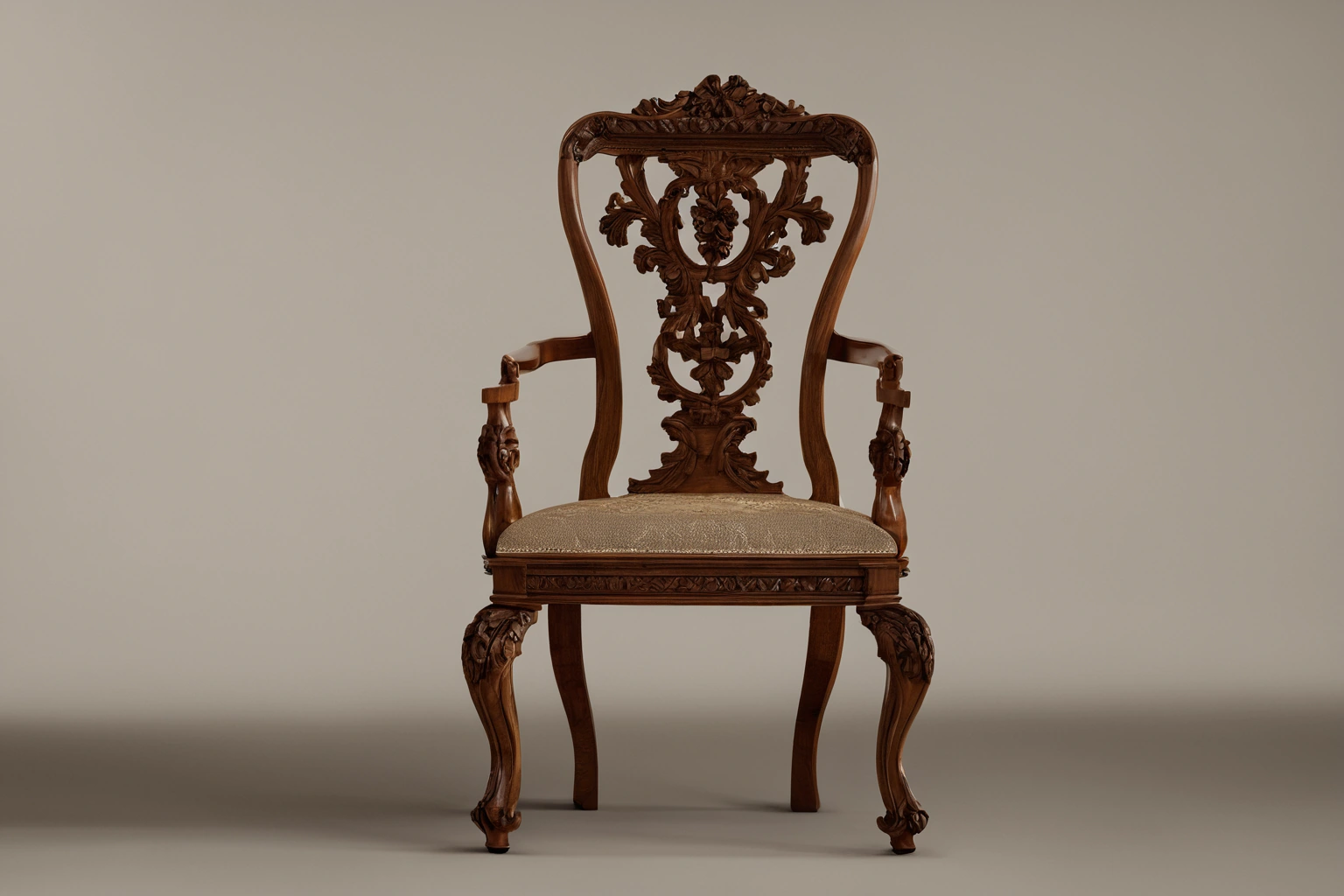
How does conservation differ from a cosmetic refinish?
Conservation tries to retain sound original material and make intervention legible; a cosmetic refinish may remove an older coating to create a uniform new appearance. The Smithsonian Museum Conservation Institute's abstract on furniture finishes lists four ethical tests: retain the existing finish where possible, use removable materials where appropriate, choose stable materials, and keep the conservator's work detectable under close examination.
Those tests do not mean every old coating must remain untouched. A detached flake can be at risk, and a failed repair may require treatment. The difference lies in diagnosis and restraint. The Smithsonian furniture conservation record also calls for accurate treatment records. A proposal that says only "restore to original condition" leaves the owner unable to tell whether the work means cleaning, consolidation, filling, or stripping.
The Canadian Conservation Institute notes that refinishing has often been justified by the wish to make furniture functional and presentable. Preservation asks a second question: what evidence will a new surface obscure? For a recent factory-made item, preserving historical evidence may be less important than restoring safe daily use. For an older or documented object, finish, tooling marks, and earlier modifications can be part of its significance. The owner and the restorer should agree which of those values matters before work begins.
| Element | Ask the restorer to show | Reason |
|---|---|---|
| Joint | Location and cause of movement | A shiny coating does not strengthen a loose connection. |
| Finish | Areas that are original, later, or uncertain | Stripping can remove evidence that cannot be replaced. |
| Veneer | Lifted edges and missing sections | Surface polishing can hide continuing separation. |
| Hardware | Original pieces and replacements | Unrecorded swaps change both use and appearance. |
Which repairs require a specialist rather than household cleaning?
Loose veneer, flaking coatings, insect activity, and a failing joint deserve assessment by a qualified furniture conservator or repairer before household products are applied. Cleaning liquid can enter a lifted veneer edge, and pressure can remove a fragile film. The Canadian Conservation Institute specifically recommends professional attention for extensive repair or cleaning and advises against stripping an original finish.
A homeowner can make the handover safer without attempting treatment. Remove objects from the furniture, empty drawers, photograph parts that come apart, and label detached hardware. Do not pull a chair by its back or drag a cabinet by its feet. When a wooden top has a marble insert, the Canadian guidance describes separating the marble for transport and carrying it vertically. A restoration estimate should state whether the mover or the restorer takes responsibility for that operation.
Dust and polish need separate decisions. The Canadian Conservation Institute's finish care note says coating types vary widely and that degraded natural resin finishes can be more sensitive than intact ones. A nearly dry test on an inconspicuous area may be appropriate for some sound coatings, but a flaking finish needs professional judgment. Oil or silicone products marketed as wood "food" can leave residue and complicate later treatment.
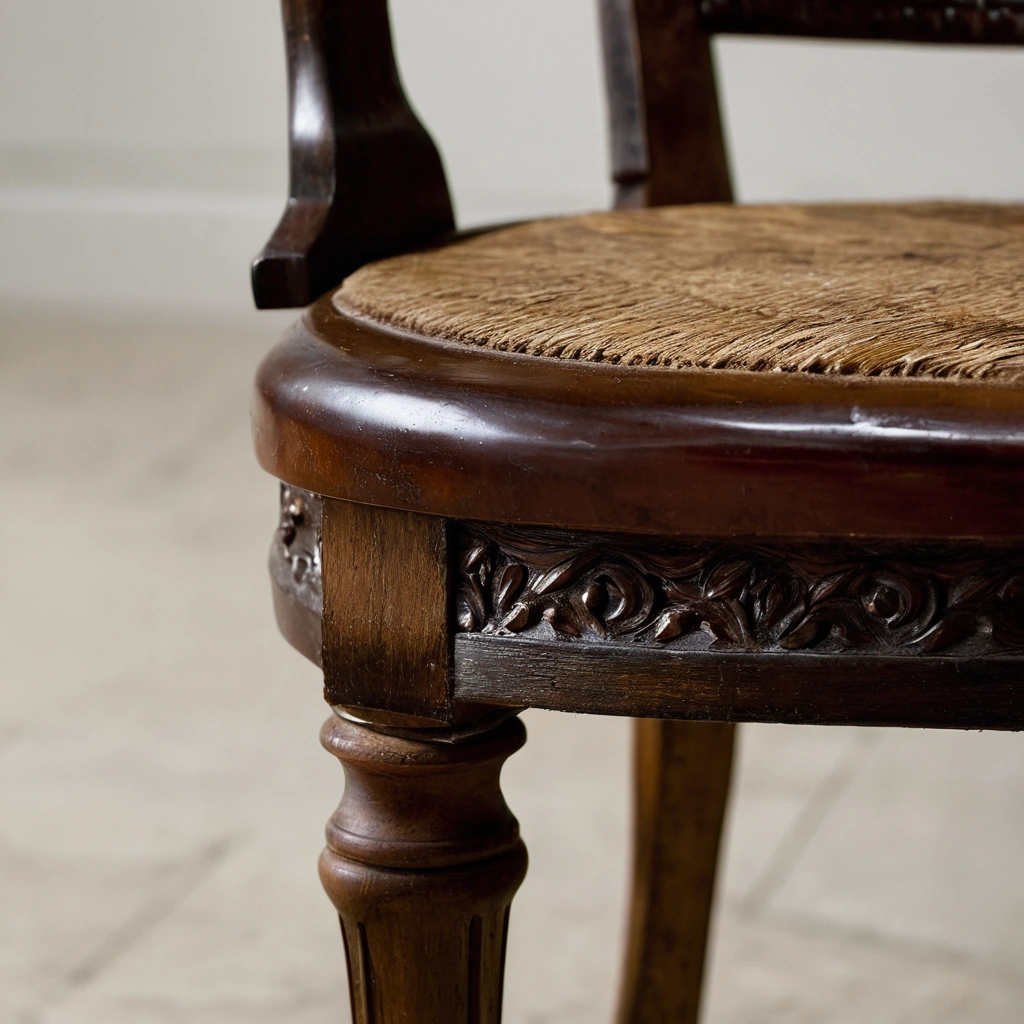
What should a written restoration estimate specify?
A useful estimate names each area to be treated, the proposed material and method, the parts to be retained, the expected visible change, and the points at which the restorer will stop for approval. The estimate should also say what is uncertain until a joint is opened or a coating is tested. A single price for "complete restoration" cannot tell an owner what will happen to the original surface.
Ask for two photographs for each decision point: the condition before treatment and the result after treatment. A third photograph during treatment can explain a hidden joint or a veneer repair. Record replacement parts as replacements, including the location and reason. If the restorer proposes a new finish, ask why local stabilization or cleaning would not meet the same goal. The answer may be sound, but the choice should be explicit.
Timing is another practical matter. A chair with one loose joint is not the same job as a cabinet with multiple doors and a degraded coating. A credible schedule includes inspection, any tests, treatment, curing where relevant, and a final fit check. If the furniture is used every day, ask how long it must remain out of service. A date promised before examination is a planning estimate, not a diagnosis.
How can an owner judge the completed repair?
Judge the completed repair against the agreed scope rather than against the idea that an old object should look new. Check that a chair stands without unexpected movement, drawers run without forcing, doors close without rubbing, and repaired veneer edges remain secure. Compare the surface in ordinary daylight with the before photographs. New work should not conceal a defect the original estimate promised to address.
Look closely at transitions. A local fill should not extend across a large intact area without explanation. A replacement carving should be identified in the record even if the color is matched. A finish may have honest variation when original material survives. Uniformity alone is a poor measure of quality for an older piece, because uniformity can be achieved by removing precisely the evidence an owner wanted to keep.
Finally, ask for care instructions that match the actual treatment. A repaired joint, a stabilized veneer, and a newly applied coating may have different handling needs. The Canadian Conservation Institute links wood movement to changes in humidity and warns against direct sun, heating vents, and water on wooden furniture. The owner can reduce future repairs by protecting the piece from those conditions and by moving it at its strongest structural points.
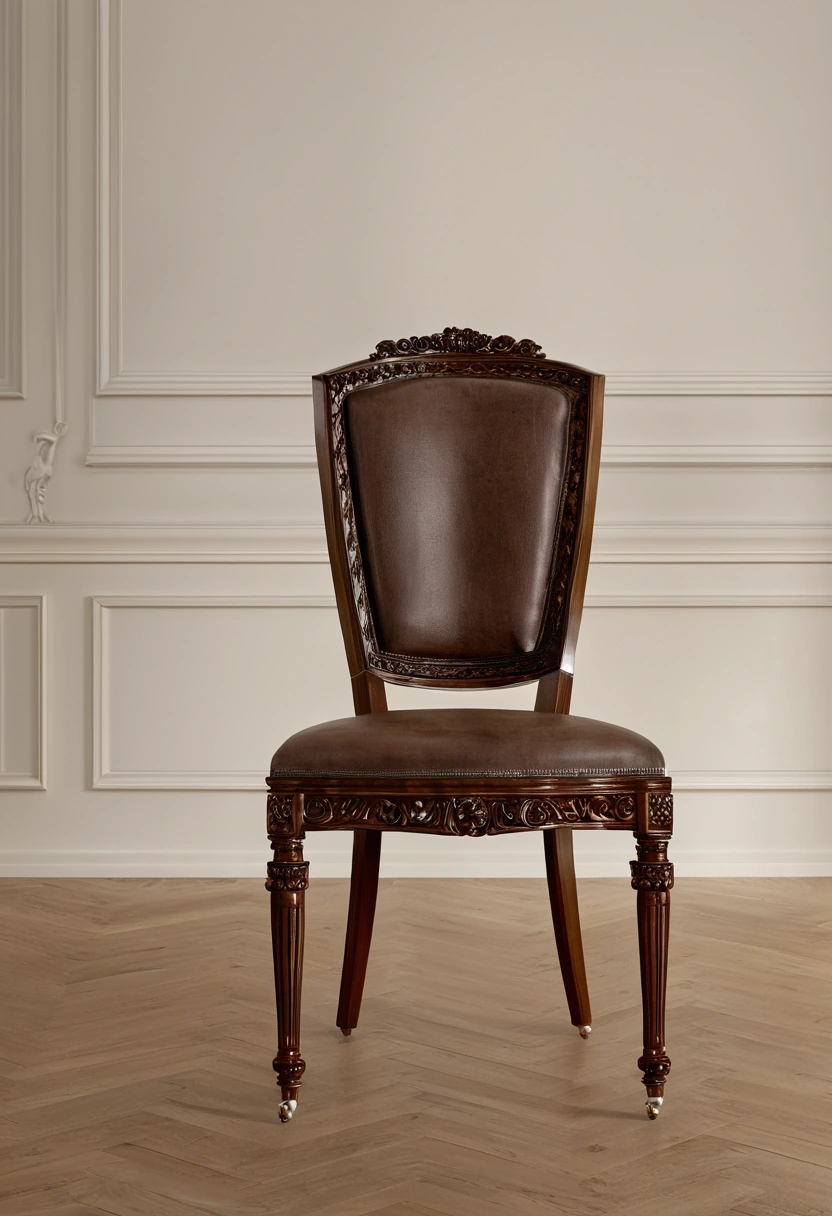
What decision should precede any new coat of finish?
The decision is whether the object needs a stable repair, a presentable appearance, preservation of old material, or a combination of those outcomes. A restorer can then explain which operations satisfy the owner's priority and which operations sacrifice another priority. That sequence makes the estimate reviewable and protects the furniture from a treatment chosen only because the first photograph looked dull.