Reupholster or Replace a Sofa? Compare Condition and Quotes
A tired sofa does not have one universal repair or replacement answer. New fabric changes how a piece looks and feels, but it cannot fix a damaged frame or worn suspension on its own. Buying new may be simpler, yet the real comparison is between the full scope of work this sofa needs and the total cost and fit of a specific replacement. Start with an inspection and a written upholstery quote before deciding.
Contents
- What condition is the sofa actually in?
- What will reupholstery include?
- How should the quote be compared with a new sofa?
- When is reupholstery the stronger option?
- When might replacement be more sensible?
- What is the decision checklist?
Key takeaways
- Examine the frame, seat support, cushions, fabric and any moving mechanism separately.
- Ask for a written scope, not just “recover the sofa.” Will the shop remove the old cover, examine and repair the frame, replace webbing or springs, replace or refill cushions, and fit new fabric?.
- Put both options on the same sheet.
- Reupholstery may make sense when the existing sofa fits the room and occupants unusually well, the structure can be repaired to a condition the shop is willing to stand behind, and the full quote is acceptable.
- Replacement deserves serious consideration when the sofa no longer fits the room or the people using it, when the frame has extensive problems that cannot be repaired within the owner's budget, or when the complete reupholstery quote compares poorly against a specific new model.
Published prices per seat and simple rules like “reupholster only below a fixed percentage of replacement cost” skip too many variables: fabric choice, hidden repairs, transport, size and the value of a familiar fit. This guide offers a way to make the decision without inventing a current market price or promising that every old frame deserves saving.
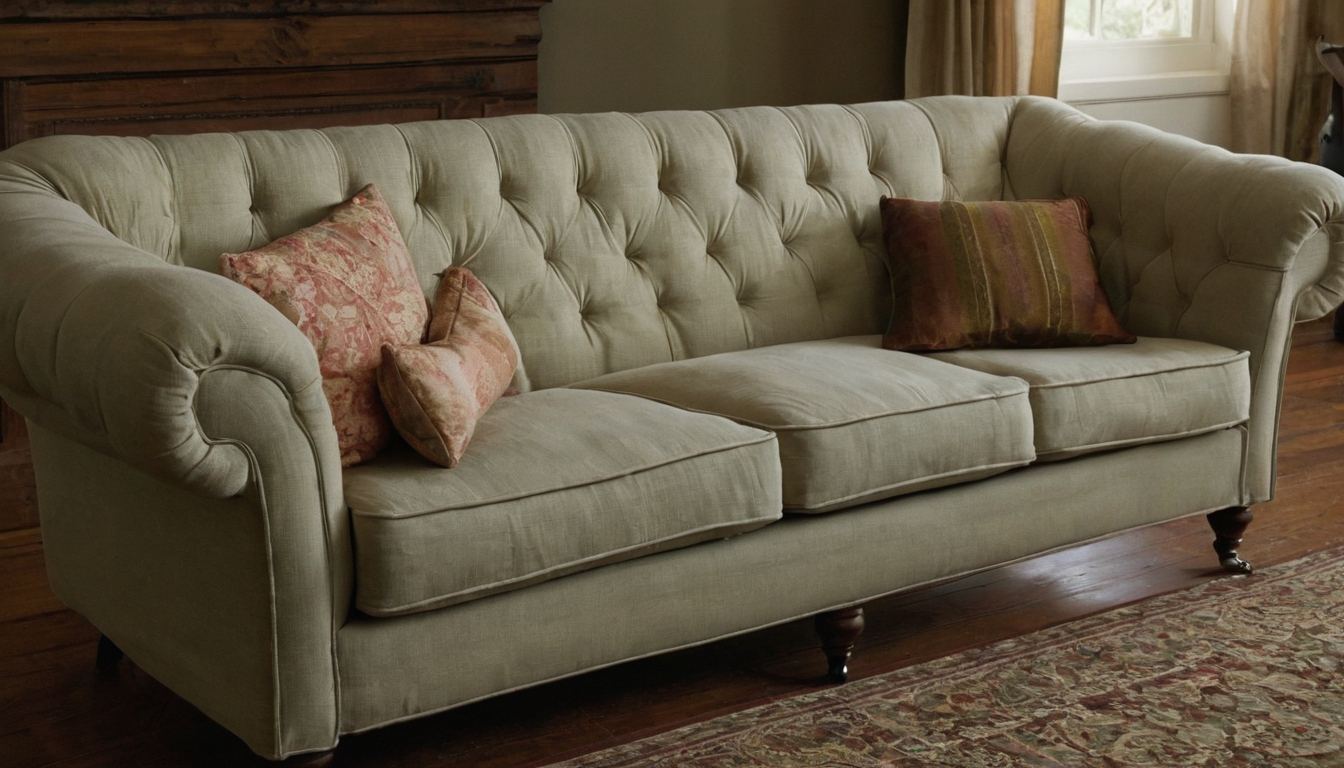
When to Reupholster a Sofa Instead of Buying New: A Cost and Condition Guide.
What condition is the sofa actually in?
Examine the frame, seat support, cushions, fabric and any moving mechanism separately. Sit in different positions and listen for cracking or shifting. Does a leg wobble, a seat sink unevenly or a back feel unstable? Note stains, odor, damage to the underside and signs of insects or moisture. Photograph the problems before asking for a quote so the upholsterer can explain which issues new fabric would and would not address.
The US National Park Service's guidance on upholstered furniture describes damage from handling, light, dirt and insects and recommends careful inspection. Its museum setting differs from a family living room, but it reinforces a useful distinction: the visible cover is only one part of an upholstered object. A piece with apparent structural damage should be assessed by a qualified upholsterer or furniture repairer before anyone promises a new cover will solve the problem. For a household decision, ask the specialist to document what is visible and what remains hidden before work starts.
Do not decide by wood species or a slogan about “eight-way” springs. Ask the specialist to identify the actual condition of the frame and support. A loose joint may be repairable; a badly damaged frame may make the project unattractive. The type of spring or cushion matters only when tied to its observed condition and the work required. Likewise, particleboard or a stapled component does not alone prove that a particular sofa must go.
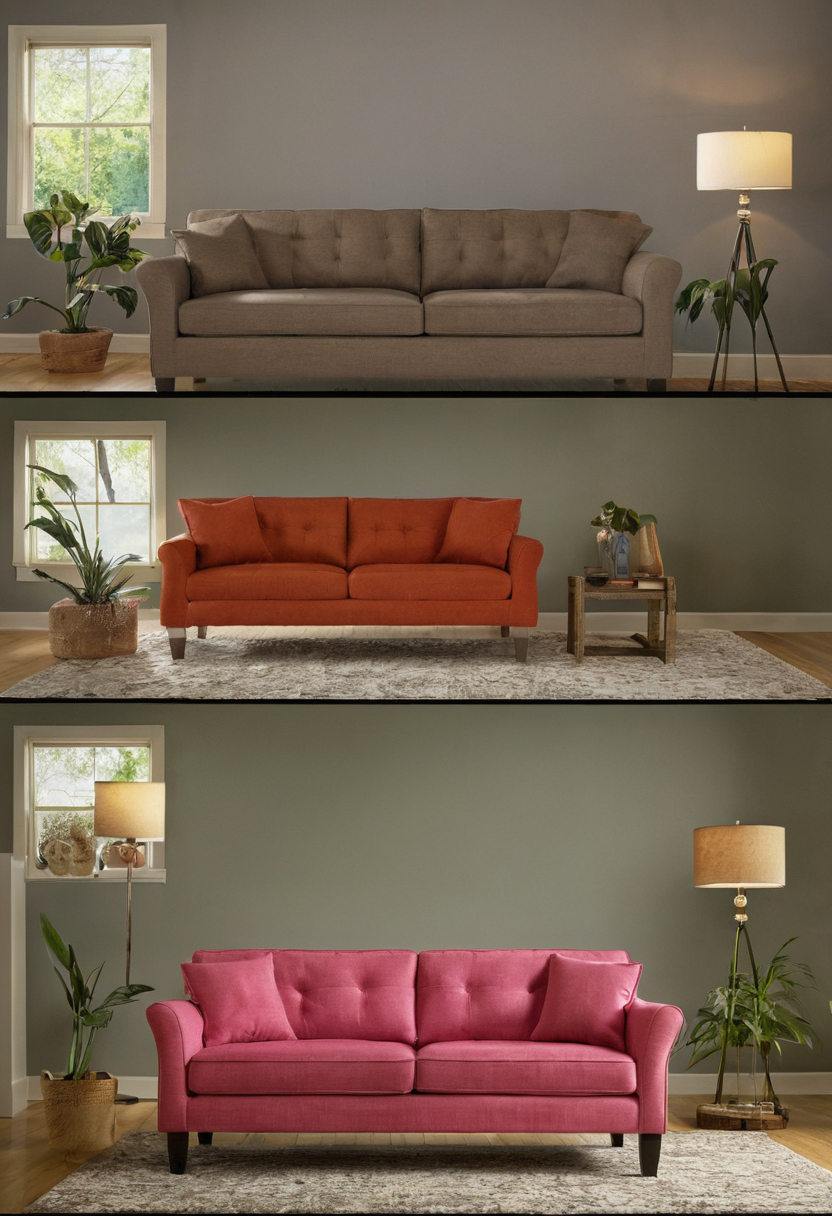
Is it cheaper to reupholster a sofa or buy a new one.
What will reupholstery include?
Ask for a written scope, not just “recover the sofa.” Will the shop remove the old cover, examine and repair the frame, replace webbing or springs, replace or refill cushions, and fit new fabric? Will arm and back padding be renewed? Which items are included in the quoted price, and which would be added if concealed damage appears after stripping the piece?
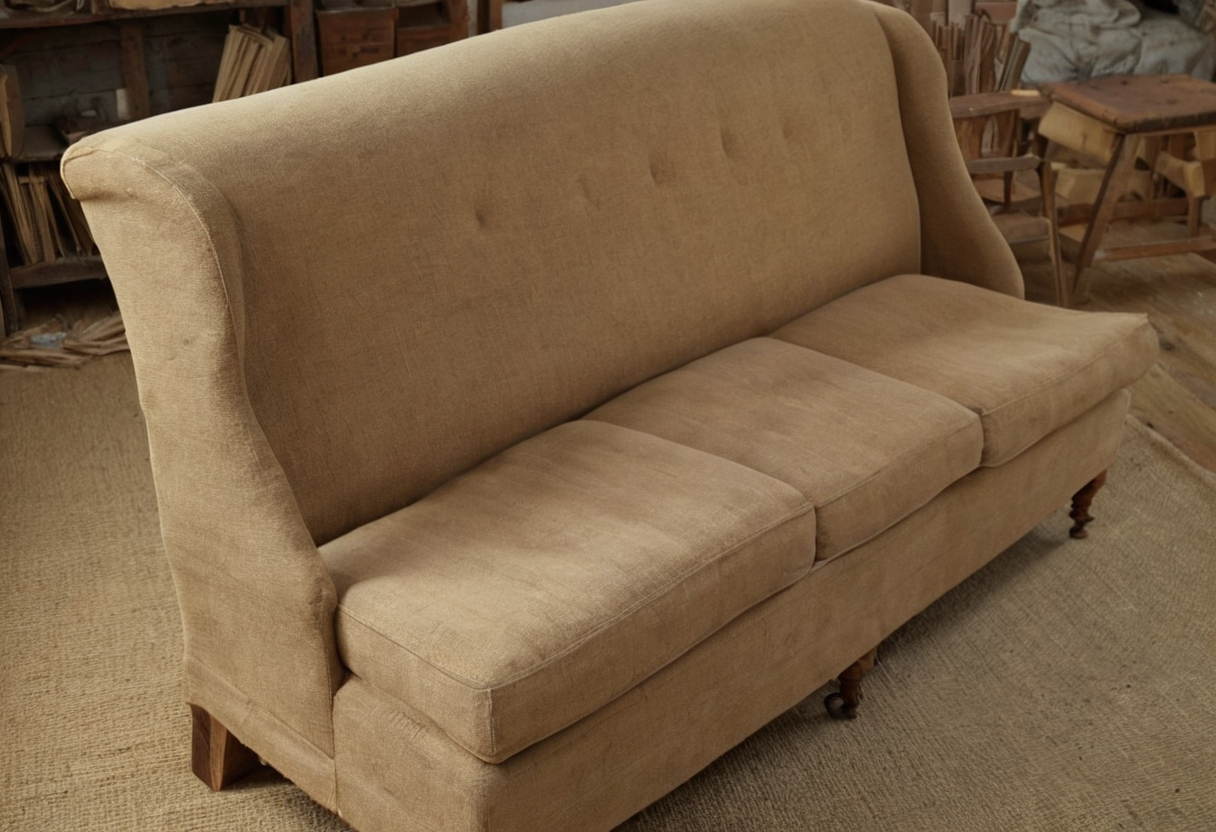
Which sofa frames justify the cost of reupholstery.
Request fabric samples and a precise specification: product name, colour, width, pattern direction, cleaning instructions and any performance information relevant to the household. The necessary yardage depends on this sofa's measurements, pattern repeat and the upholsterer's cutting plan. Let the shop measure it and state the amount in the quote; do not rely on a generic yardage figure for all sofas.
Discuss how the new cover will be attached, especially for an older or collectible piece. The National Park Service's wooden-objects guidance notes that repeated tacking can damage a historic frame and considers less destructive approaches for museum furniture. That is not a requirement for an ordinary household sofa. It is a reason to tell the upholsterer when preserving original structure or fabric matters to you.
How should the quote be compared with a new sofa?
Put both options on the same sheet. For reupholstery, include fabric, labor, frame or suspension repair, cushions, pickup, delivery, taxes and any uncertainty allowance clearly marked. For a new sofa, list the exact model, delivery, disposal or removal of the old piece, warranty and any assembly charges. If the new sofa has a different seat depth, size or comfort level, note that; a cheaper sticker price is not an equal comparison when it fails to meet the same needs.
Ask the shop to describe what it can know before stripping the sofa and how it will seek approval for additional work. Find out whether a deposit is required and whether fabric is returnable once ordered. These contract details matter more than a blanket price ratio. A low initial quote that excludes foam, transport and hidden repairs may not end up cheaper than a complete quote from another shop.
Evaluate the replacement's construction and service path too. Ask what parts can be replaced, how cushions are maintained and what the warranty covers. Do not claim that a newly manufactured sofa always has worse emissions or a shorter life than the existing one without product evidence. The U.S. Environmental Protection Agency identifies paints, varnishes, waxes, cleaning products, building materials and furnishings as common indoor sources of volatile organic compounds, and recommends increasing ventilation when using products that emit them indoors (EPA, Volatile Organic Compounds' Impact on Indoor Air Quality). Compare the actual alternatives rather than a general environmental story.
Beyond the immediate room, consider where discarded furniture ends up. The U.S. Environmental Protection Agency tracks furniture and furnishings generation, recycling and landfill disposal tonnage annually, providing data on how much bulky furniture enters landfills each year as part of municipal solid waste statistics (EPA, Facts and Figures about Materials, Waste and Recycling). Keeping a repairable sofa in use avoids adding to that stream, though the practical comparison still rests on the specific quotes and condition in front of you.
If accessibility shapes the decision, dimensions matter beyond personal comfort. The 2010 ADA Standards specify a 30 by 48 inch clear floor or ground space for wheelchair positioning, and set accessible dining and work surfaces at 28 to 34 inches above the finish floor or ground (U.S. Department of Justice, 2010 ADA Standards for Accessible Design). When a sofa sits beside an accessible table or anchors a seating area that must accommodate mobility equipment, verify that neither reupholstery padding nor a replacement model encroaches on those clearances.
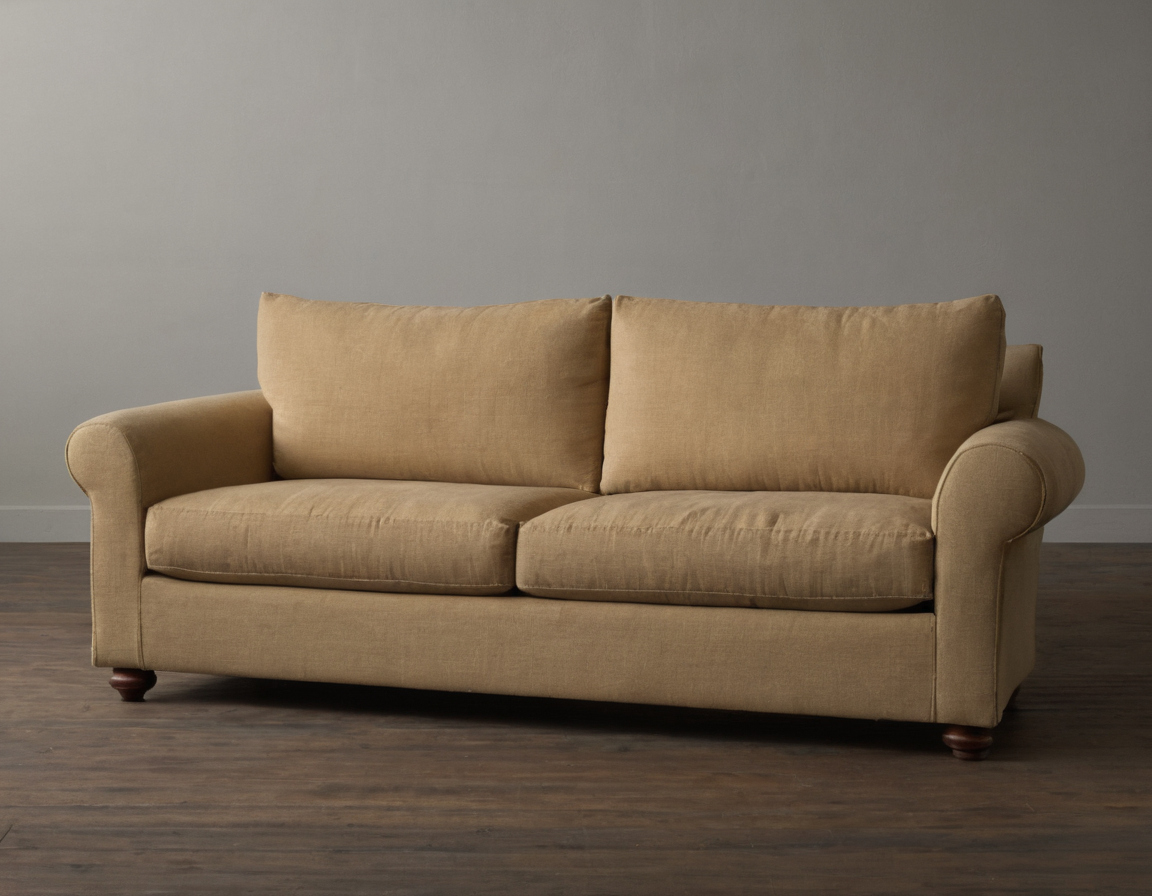
What condition factors make a sofa worth saving.
For pieces held in a private collection or treated as heirlooms, preservation references add context. The National Park Service Museum Handbook provides guidance for museum collections preservation, documentation, access and use (National Park Service, Museum Handbook). A household sofa rarely requires that level of care, but owners who value original materials can borrow the principle: document condition before altering it.
When is reupholstery the stronger option?
Reupholstery may make sense when the existing sofa fits the room and occupants unusually well, the structure can be repaired to a condition the shop is willing to stand behind, and the full quote is acceptable. Sentimental value can also be a legitimate part of the decision. State it openly rather than trying to convert it into a false financial saving. A family heirloom can be worth more effort to its owner than a generic replacement.
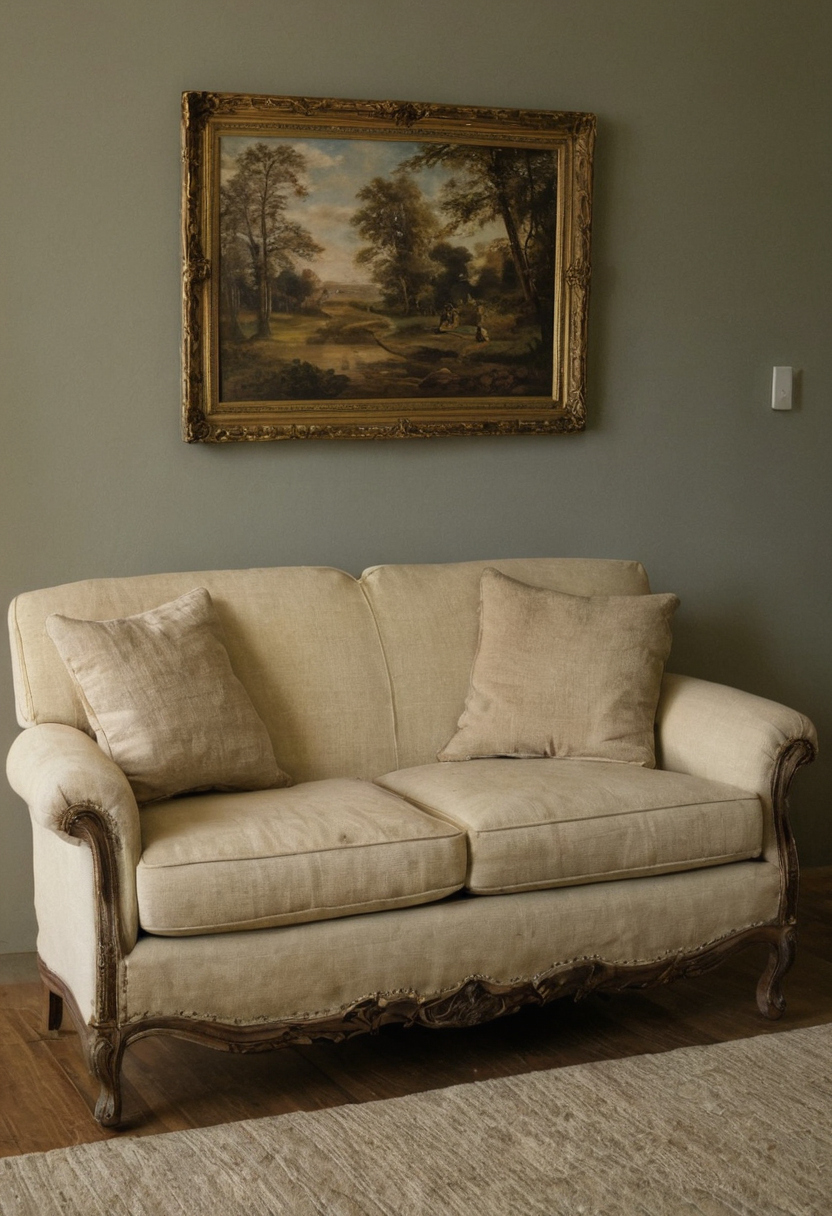
How do environmental and sentimental factors influence the decision.
If the piece has a documented historical or design value, ordinary upholstery work may alter evidence of its history. A specialist should assess original fabric, labels and construction before removal. For a heavily modified everyday sofa, preservation may matter less than comfort and durability. The decision depends on the object and the owner's aim, not a universal rule about old furniture.
Ask the shop for examples of comparable completed work and a description of how it will handle seams, pattern matching and cushions on your exact sofa. A good result depends on execution as much as material. If the chosen fabric needs care the household cannot provide, revise the specification before ordering.
When might replacement be more sensible?
Replacement deserves serious consideration when the sofa no longer fits the room or the people using it, when the frame has extensive problems that cannot be repaired within the owner's budget, or when the complete reupholstery quote compares poorly against a specific new model. It can also be the practical path when the household needs the sofa sooner than the shop can finish the work. None of these reasons requires pretending the old piece is categorically worthless.
Do not decide from appearance alone. A stained cover may hide a stable frame; a clean cover can hide broken support. Have the professional describe the condition and give an itemized repair route. If the specialist cannot assess a suspected structural issue without taking the sofa apart, ask how the price and decision would be revisited at that stage.
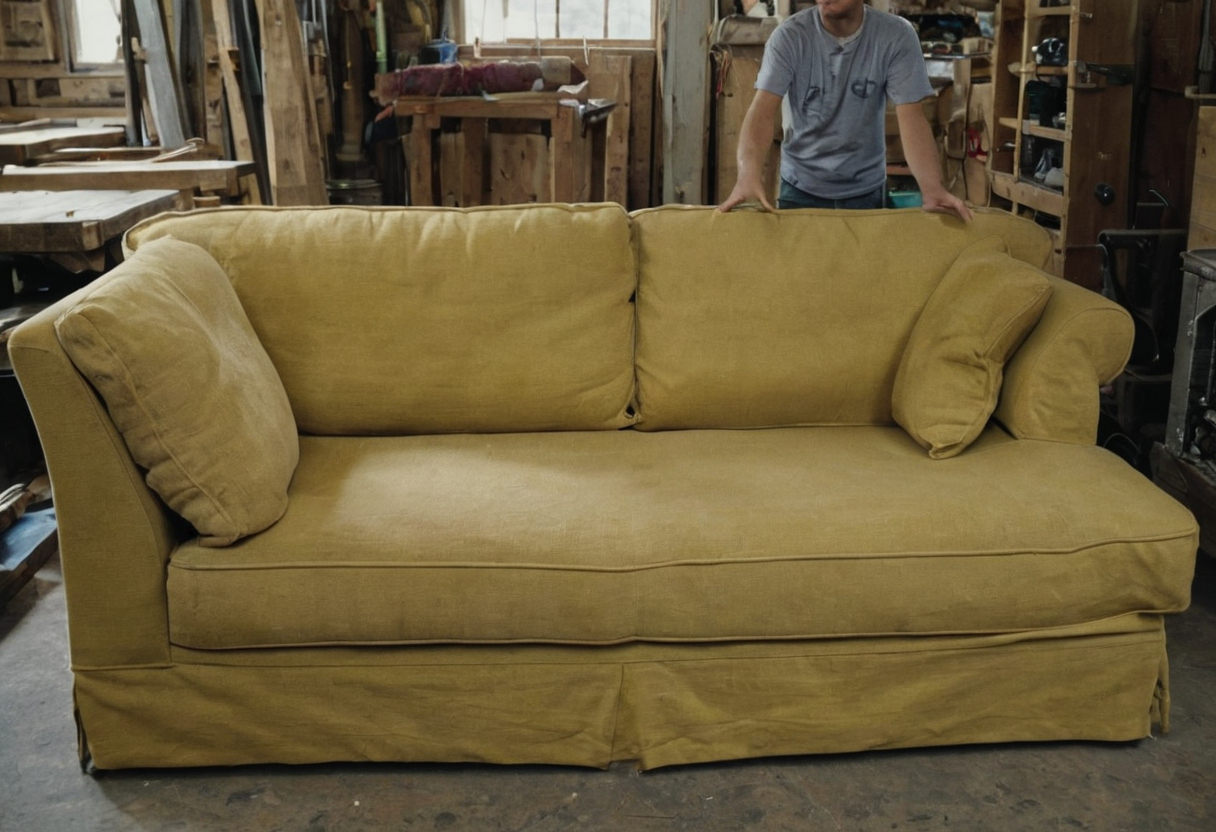
What is the step-by-step process for evaluating your sofa.
What is the decision checklist?
- Record the frame, seat support, cushions, fabric, dimensions and any condition concerns.
- Get a written, itemized reupholstery quote that states its assumptions about hidden work.
- Choose fabric based on the household's real use and cleaning capacity.
- Price a specific new sofa with delivery and removal included, then compare fit and warranty.
- Account for sentimental or documented design value separately from monetary cost.
- Agree on approval for additional work before the old cover comes off.
Reupholstery pays off when the complete scope delivers a sofa the owner wants at an acceptable total. Replacement makes sense when a specific alternative serves the need better. An inspection and two comparable quotes answer that question more reliably than an invented labor estimate or a fixed percentage rule.

When should you choose a replacement sofa instead of reupholstery.
For more on this topic, see other guides on this site.